
Currently Empty: ₹0.00
Computers
Importance of Computer Education: 6 Powerful Skills
Importance of Computer Education
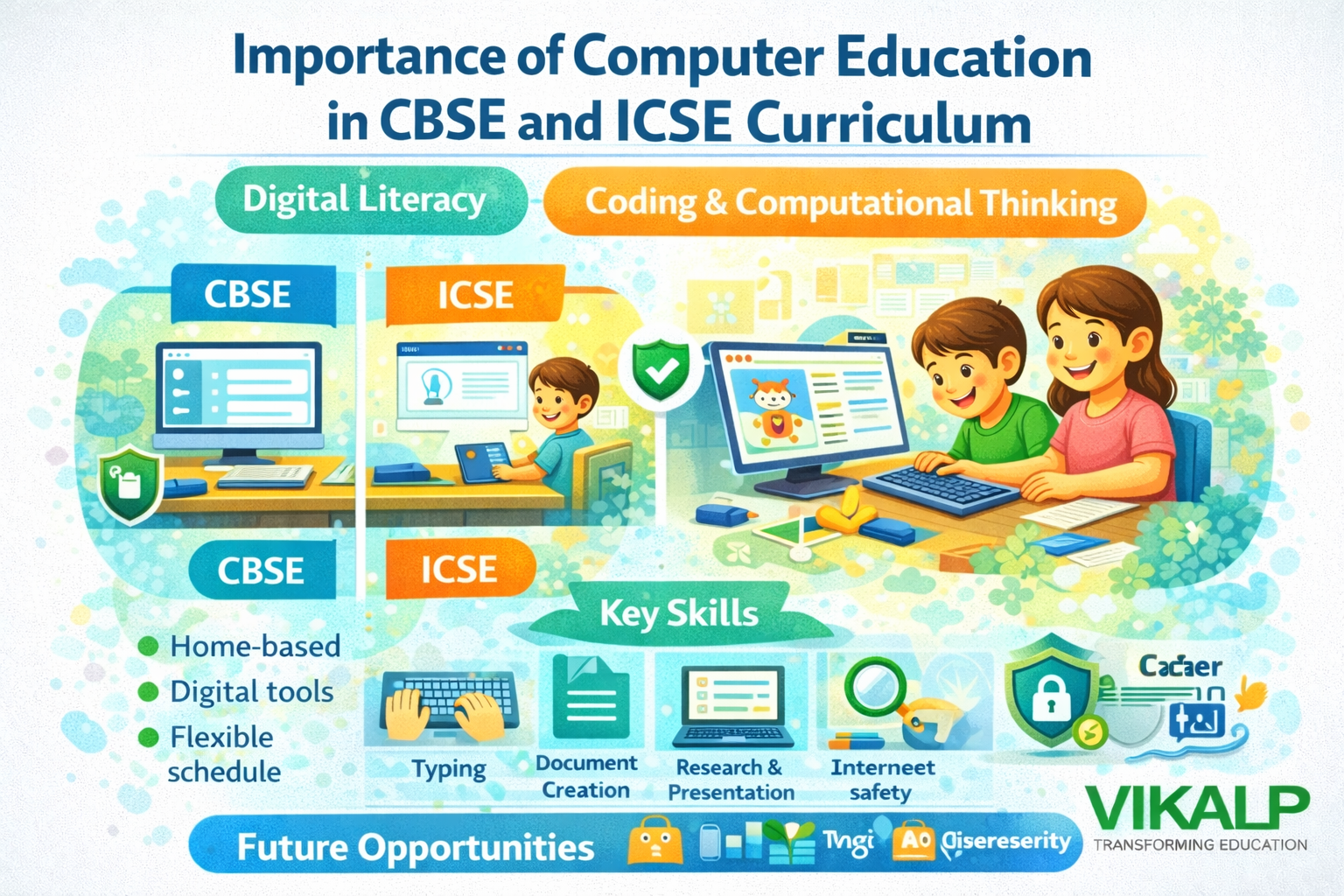
In today’s digital world, computer education plays a central role in preparing students for the future. Whether a student studies under the CBSE or ICSE curriculum, learning how computers work, how to use software, and how to solve problems using digital tools is essential. Computer education gives children the skills they need to excel in both academic studies and future careers. This article explains the importance of computer education, how it is included in the CBSE and ICSE curricula, the benefits it offers to students, and how parents and school administrators can support effective learning.
The Importance of Computer Education in CBSE and ICSE Curriculum keeps growing as schools prepare students for a digital future. Computers are now used in almost every subject, and students who learn early develop confidence with tools, research, and problem-solving. The Importance of Computer Education in CBSE and ICSE Curriculum is not only about using devices – it is about thinking smartly and safely in a tech-driven world.
Why Computer Education Matters Today
Computer skills are essential for almost every field. Students who learn computers early gain an edge in problem solving, research and creativity. With rapid digital changes, computer education prepares students to adapt to new technologies, stay safe online and use digital tools responsibly.
How Computer Education Is Included in CBSE Curriculum
CBSE includes computer education starting from primary classes. Students learn basics like:
- Computer fundamentals
- Microsoft Office or similar tools
- Programming basics
- Internet use and safety
CBSE places emphasis on practical work and project based learning. The curriculum is updated to meet modern digital demands.
How Computer Education Is Included in ICSE Curriculum
ICSE also gives importance to computer education. The syllabus includes:
- Theory of computers
- Practical sessions
- Projects and assignments
- Application software use
ICSE encourages deeper understanding and detailed work on projects to build confidence.
What students learn
Computer education includes basics of hardware and software, document creation, presentations, spreadsheets, internet use, and safety rules. These skills support projects, homework, and exams.
Skills built through computer learning
-
Digital literacy for students for everyday academic tasks
-
Better research and presentation ability
-
Logical thinking and creativity
-
Teamwork through projects
Core Topics in Computer Education
Important topics include:
- Computer basics
- Operating systems
- Word processing documents
- Presentation slides
- Spreadsheet data
- Internet and email
- Basic programming
- Graphics and multimedia
These topics help students handle academic tasks and future digital needs.
Benefits for Academic Success
Computer education helps students in many subjects:
- Research for science and social studies
- Creating reports and presentations in English
- Data handling in math
- Simulations for experiments
It makes learning easier and more interactive.
Why coding matters
Coding and computational thinking teach students to solve problems step by step. Even simple tools help children learn logic and build confidence for advanced skills later.
CBSE and ICSE classroom impact
Both boards emphasize practical learning through assignments and projects. When schools provide good labs, updated systems, and trained teachers, the Importance of Computer Education in CBSE and ICSE Curriculum becomes clear in student performance and future readiness.
Safe and responsible use
Students must learn strong passwords, privacy basics, and respectful online behavior. With the right support at school and home, the Importance of Computer Education in CBSE and ICSE Curriculum leads to smarter, safer, and more capable learners.
Digital Safety and Responsible Use
Students learn how to use the internet safely and responsibly. Topics include:
- Avoiding unsafe websites
- Creating strong passwords
- Protecting personal information
- Respectful online communication
Digital safety is a key part of computer education
Conclusion
Computer education has become a critical part of the school curriculum in both CBSE and ICSE boards. It equips students with essential digital skills, improves academic performance and prepares them for competitive careers. Through practical exercises, project work and digital safety education, students learn how to use technology responsibly and creatively. Parents and school administrators play a key role in supporting effective computer education by ensuring good infrastructure, safe use and regular practice. With the rapid pace of technology, computer education will continue to open new opportunities for students in the future. (Approx. 220 words)
FAQs
- Why is computer education important for students?
It builds digital literacy, problem solving and creativity needed for future careers. - Do CBSE and ICSE both teach computer skills?
Yes, both boards include computer education in their curriculum. - What practical skills do students learn?
Typing, document creation, spreadsheets, presentations and coding basics. - How does computer education help in other subjects?
It supports research, data handling, presentation and creative work. - How can parents support computer learning?
By providing safe access to devices, practice time and encouragement