

Currently Empty: ₹0.00
Information
6 Critical Student Teacher Communication Tips Online
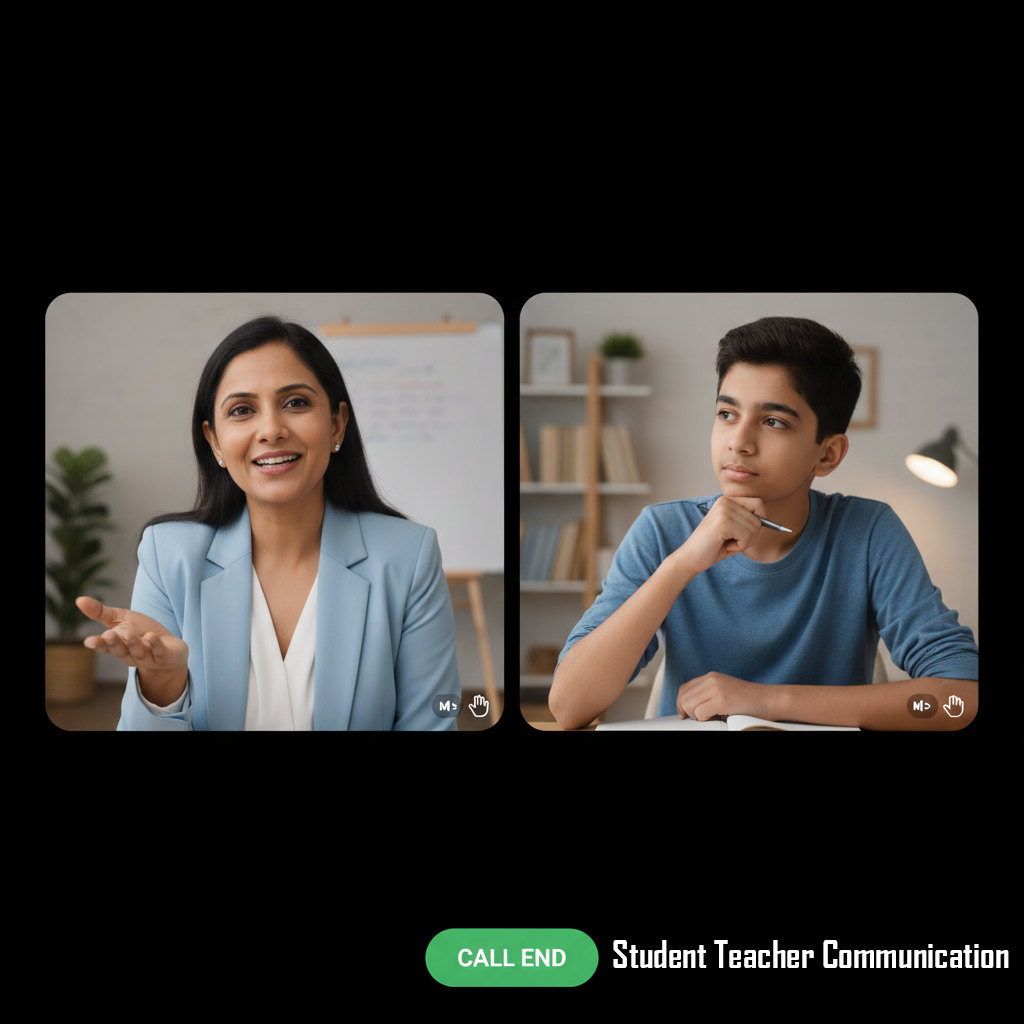
Why Student Teacher Communication Is Vital in Online Schools
Communication is the foundation of effective learning. In online schools, where face-to-face interaction is limited, strong student teacher communication becomes even more critical. It shapes how students understand lessons, seek help, and stay motivated throughout their learning journey.
When communication is clear, respectful, and consistent, online classrooms become more engaging, supportive, and productive for everyone involved.
Understanding Student Teacher Communication in Online Education
Student teacher communication refers to the exchange of information, feedback, and support between learners and educators. In online schools, this communication happens through video sessions, chat platforms, emails, discussion forums, and feedback tools.
Because students are learning remotely, communication must be intentional and well-structured to prevent misunderstandings and disengagement.
- Building Trust Through Clear Communication
Trust is essential in any learning environment. In online schools, students rely heavily on teachers’ guidance and clarity.
Effective communication helps:
- Clarify expectations
- Reduce confusion
- Build confidence in students
When students trust their teachers, they are more likely to participate actively and ask questions.
- Encouraging Active Participation
Strong student teacher communication encourages students to express ideas, ask questions, and engage in discussions.
Teachers can promote participation by:
- Asking open-ended questions
- Encouraging student opinions
- Acknowledging contributions
This two-way interaction makes online learning more interactive and meaningful.
- Providing Timely and Constructive Feedback
Feedback is a powerful communication tool in online education. Students depend on feedback to understand their strengths and areas for improvement.
Effective feedback:
- Is specific and clear
- Focuses on growth
- Encourages improvement rather than criticism
Timely feedback helps students stay motivated and aligned with learning goals.
- Supporting Emotional and Academic Needs
Online learners may face academic pressure, isolation, or self-doubt. Open communication allows teachers to identify and address these challenges early.
Through regular check-ins and supportive conversations, teachers can:
- Offer reassurance
- Provide academic guidance
- Encourage resilience
This emotional support enhances overall student well-being.
- Reducing Miscommunication in Virtual Classrooms
Without physical cues like body language, online communication can sometimes lead to misunderstandings. Clear and structured communication helps prevent this.
Teachers can reduce miscommunication by:
- Using simple and precise language
- Repeating key instructions
- Confirming student understanding
Consistency ensures that students remain on the same page.
- Encouraging Student Independence
Good communication does not mean constant supervision. Instead, it empowers students to take responsibility for their learning.
Teachers support independence by:
- Clearly outlining tasks
- Encouraging self-reflection
- Being available without over-controlling
This balance builds confidence and self-directed learning habits.
Challenges in Student Teacher Communication Online
Despite its importance, online communication can face challenges such as:
- Technical issues
- Delayed responses
- Varying communication preferences
Addressing these challenges requires patience, flexibility, and clear communication policies.
How Online Schools Can Improve Communication Systems
Successful online schools invest in effective communication tools and practices. This includes:
- Reliable learning platforms
- Clear communication guidelines
- Regular feedback mechanisms
When systems are well-designed, communication flows smoothly between students and teachers.
How Vikalp India Strengthens Student Teacher Communication
Vikalp India places strong emphasis on meaningful communication as part of its online schooling model. Through structured interactions, activity-based learning, and continuous feedback, Vikalp India ensures that students stay connected with their teachers.
With curriculum-aligned programs for K–12 learners, hands-on learning kits, and personalized support, Vikalp India fosters open and effective communication that helps students succeed academically and emotionally in an online school environment