
Currently Empty: ₹0.00
Learning
Online Learning Helps Slow Learners Succeed: 7 Powerful Ways
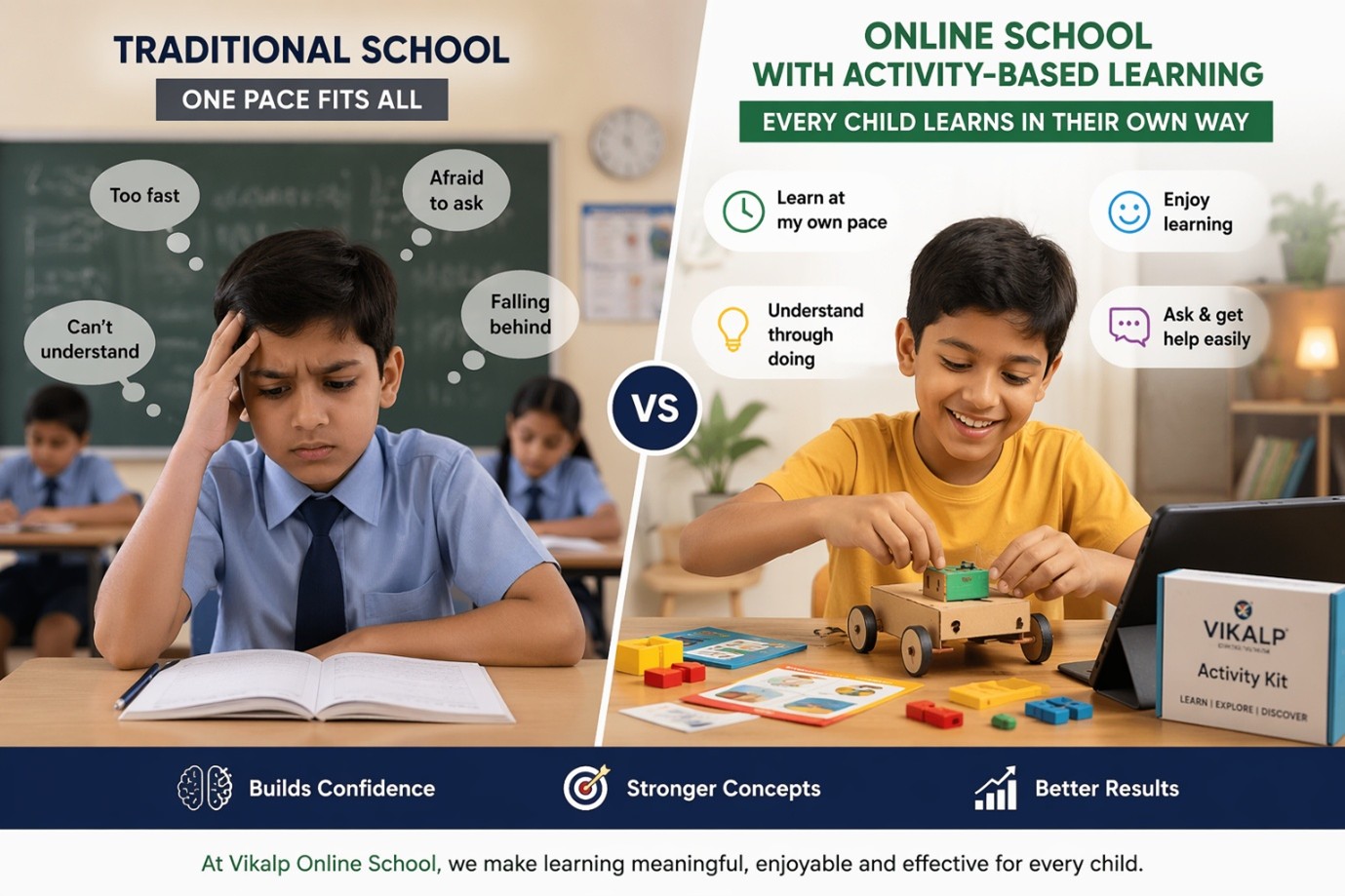
How Online Learning Helps Slow Learners
Introduction: A Different Pace, Not a Lack of Ability
In many classrooms, learning moves at a fixed speed. Some students keep up easily, while others quietly fall behind. This is where understanding how online learning helps slow learners becomes important. Slow learners are not less intelligent—they simply need more time, repetition, and a different approach to truly grasp concepts.
Traditional systems rarely adjust to individual needs. But online learning, when done right, changes the entire experience. It gives students space to learn at their own rhythm, without the constant pressure of keeping up with others.
Understanding Slow Learners in a Real Context
They Learn Differently, Not Slowly by Choice
The term “slow learner” can often be misleading. These students are fully capable, but they process information in a more gradual and thoughtful way.
They often need:
- Extra time to understand concepts
- Repetition to reinforce learning
- Different teaching styles to connect ideas
In most cases, the issue isn’t ability—it’s mismatch.
The Emotional Side Often Goes Unnoticed
When students struggle to keep pace, it affects more than just academics. Over time, they may experience:
- Loss of confidence
- Fear of asking questions
- Anxiety around studies
This emotional weight can make learning even harder.
Traditional Classrooms vs Online Learning
Where the Gap Becomes Clear
| Factor | Traditional Classroom | Online Learning |
|---|---|---|
| Teaching Pace | Fixed | Flexible |
| Revision | Limited | Unlimited |
| Attention | Divided | Personalized |
| Learning Environment | Pressured | Comfortable |
Traditional classrooms are designed for efficiency. Online learning is designed for adaptability.
How Online Learning Helps Slow Learners Succeed
1. Learning at Their Own Speed
One of the biggest advantages is flexibility. Students can pause, rewind, and revisit lessons as many times as needed. There’s no rush to “keep up.”
This simple shift removes pressure and allows real understanding to happen.
2. Repetition Without Judgment
In a classroom, asking the same question repeatedly can feel uncomfortable. Online learning removes that barrier.
Students can:
- Rewatch lessons
- Practice multiple times
- Learn without feeling judged
Repetition becomes a strength, not a weakness.
3. Multiple Ways to Understand One Concept
Every student learns differently. Some prefer visuals, others learn by doing.
Online learning often combines:
- Videos
- Interactive activities
- Visual explanations
This variety helps slow learners connect with concepts in a way that suits them best.
4. A Safe and Comfortable Learning Space
Learning from home or a familiar environment reduces stress. Without the pressure of comparison, students feel more relaxed.
And when students are relaxed, they learn better, it’s that simple.
5. Building Confidence Step by Step
Confidence doesn’t come from speed. It comes from understanding.
Online learning allows students to:
- Progress gradually
- Celebrate small wins
- Build a strong foundation
Over time, this leads to genuine confidence.
Why Not All Online Learning Works
The Common Mistake
Not every online platform truly supports slow learners.
Some rely heavily on:
- Recorded lectures only
- Lack of guidance
- No structured progression
This can leave students just as confused as before.
What Actually Makes the Difference
For online learning to work effectively, it must be:
- Structured
- Guided by teachers
- Interactive
- Focused on understanding, not speed
Without these elements, the benefits are limited.
The Role of Experiential Learning
Learning by Doing, Not Just Listening
Experiential learning is where things start to change significantly.
Instead of simply explaining concepts, students:
- Perform activities
- Explore ideas
- Discover answers on their own
This hands-on approach creates deeper understanding.
Why It Works So Well for Slow Learners
Slow learners benefit greatly because:
- They are not rushed
- They can explore at their own pace
- They learn through experience, not memorization
According to research in experiential education, active learning improves retention and engagement significantly (source: https://www.edutopia.org).
Personalized Learning: The Real Game-Changer
Every Student Gets a Unique Path
No two learners are the same. Personalized learning ensures that each student receives attention based on their needs.
This includes:
- Adjusted lesson pace
- Targeted support
- Continuous monitoring
Tracking Progress Without Pressure
Instead of waiting for exams, progress is tracked regularly.
This helps:
- Identify gaps early
- Provide timely support
- Prevent long-term struggles
Challenges Slow Learners Face Without Support
What Happens in a Rigid System
When flexibility is missing, slow learners often:
- Memorize without understanding
- Lose interest in studies
- Develop fear of failure
This is not a reflection of their ability—it’s a limitation of the system.
How Online Learning Helps Slow Learners in the Long Run
Beyond Academics
The benefits go beyond just better grades.
Students also develop:
- Independent thinking
- Problem-solving skills
- Confidence in their abilities
A More Positive Relationship with Learning
When learning feels achievable, students begin to enjoy it.
This shift in mindset is powerful and long-lasting.
Practical Tips for Parents and Educators
Supporting Slow Learners Effectively
If you’re helping a slow learner, consider:
- Encouraging patience
- Focusing on understanding, not marks
- Choosing structured online programs
- Allowing time for revision
What to Look for in an Online Program
A good platform should offer:
- Live teacher interaction
- Activity-based learning
- Clear progression plans
- Regular feedback
FAQs
1. How online learning helps slow learners better than traditional classrooms?
Online learning allows flexibility, repetition, and personalized attention, making it easier for slow learners to understand concepts deeply.
2. Are slow learners less intelligent?
No, slow learners are not less intelligent. They simply process information at a different pace.
3. Can online learning improve confidence in slow learners?
Yes, by removing pressure and allowing gradual progress, online learning helps build confidence naturally.
4. What is experiential learning?
Experiential learning is a method where students learn through activities and real-life experiences instead of just theory.
5. Is self-paced learning important for slow learners?
Absolutely. Self-paced learning allows students to take the time they need, leading to better understanding.
6. What should parents consider when choosing online learning?
Look for structured programs with teacher support, interactive methods, and regular progress tracking.
Conclusion: A Shift That Truly Matters
Understanding how online learning helps slow learners is not just about education, it’s about giving every child a fair chance to succeed.
When learning becomes flexible, supportive, and engaging, students don’t just keep up – they begin to thrive.
The goal isn’t to make learners faster.
It’s to make learning work for them.